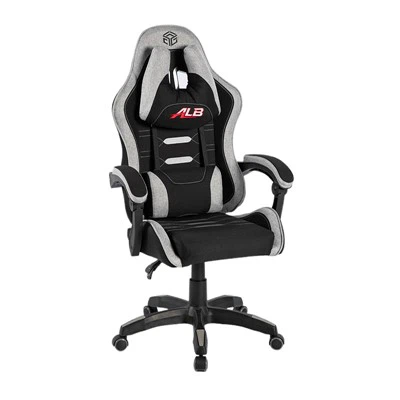
As one of humanity's oldest forms of seating, the stool's form and function have evolved with the development of civilization. From simple wooden blocks to modern art pieces, stools are not only practical pieces of furniture but also bear witness to the evolution of culture and aesthetics. Stools can be categorized into various types based on their purpose, structure, material, and other factors, each with its own unique characteristics and application scenarios.
Classification by Function
1. Everyday Stools
The most common type of stool is used for sitting or lying down in homes, offices, or public spaces. Examples include dining chairs, footstools in living rooms, and makeup stools. These stools are typically designed for comfort and stability, with ergonomic heights and materials typically made of wood, plastic, or metal.
2. Work and Tool Stools
Designed for specific work environments, such as hairdressing stools, sewing stools, and laboratory stools, these stools often feature adjustable heights, and some also come with a swivel base or storage space to enhance efficiency. For example, hairdressing stools are often padded and swivel, allowing barbers to adjust their positions easily.
3. Decorative and Artistic Stools
In modern design, many stools are imbued with artistic value and become integral parts of home decor. Examples include minimalist geometric stools and limited-edition designer stools. These stools may not offer traditional comfort, but their unique shapes and materials create a striking accent in any space.
Classification by Structure
1. Solid Stools
Stools with no interior space and a solid structure, such as wooden pedestal stools and stone stools, are typically heavy and stable, often found outdoors or in traditional-style homes.
2. Hollow Stools
Stools with a hollow interior, such as folding stools and plastic round stools, are typically lightweight and easy to carry. Some stools can be folded for storage, making them suitable for temporary use or outdoor activities.
3. Stackable Stools
Designed to allow multiple stools to be stacked together to save space, these stools are commonly found in places like restaurants and schools. These stools are typically made of lightweight materials, such as plastic or metal, and have a smooth surface for easy stacking.
Classification by Material
1. Wooden Stools
Traditional and classic stool types include solid wood and composite wood. Wooden stools have a warm texture and are suitable for Chinese and Nordic interiors, but they should be protected from moisture and insects.
2. Metal Stools
Made primarily of metals like steel and aluminum, they often have a modern industrial style. Sturdy and durable, metal stools are often used outdoors or in industrial-style interiors. Some are paired with wooden or plastic cushions for added comfort.
3. Plastic Stools
Lightweight, waterproof, and affordable, they are widely used in homes and restaurants. Plastic stools come in a variety of colors, and some are foldable, but they can become brittle with long-term use.
4. Upholstered Stools
These stools, such as sofas and lazy stools, feature seats made of soft materials like fabric, leather, or sponge for added comfort. These stools are often paired with a frame and are suitable for lounging areas.
Special Types of Stools
1. Suspended Stools (Hanging Stools)
Suspended from the ceiling or a bracket via ropes or metal chains, these stools are commonly found in children's rooms or leisure spaces, providing a unique sitting or lying experience.
2. Step Stools
These stools are relatively low in height and primarily used for footrests, such as piano stools and bedside step stools. These stools are typically smaller and easier to move.
3. Folding Stools
These stools can be expanded and folded, making them suitable for temporary settings such as camping and events.
Stools come in a variety of styles, ranging from everyday practicality to artistic decoration, from traditional wooden to modern designs. Each type of stool plays a unique role in different settings. Understanding the classification of stools not only helps us better choose the right furniture but also provides a deeper understanding of the evolution of human lifestyles.