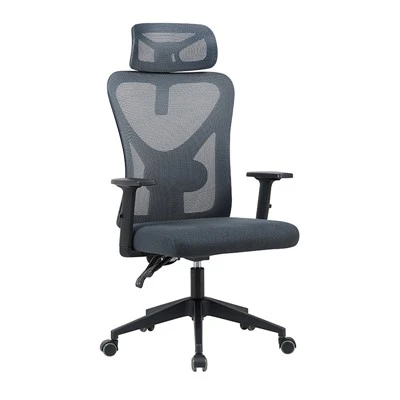
As an indispensable piece of furniture in modern homes and public spaces, the production process for lounge chairs integrates multiple steps, including design, material selection, processing, manufacturing, and quality control. From initial creative conception to final product delivery, each step impacts the comfort, durability, and aesthetics of the lounge chair. The following details the main production processes for lounge chairs.
1. Design and R&D
The production of a lounge chair begins in the design phase. Designers create sketches or 3D models based on market demand, ergonomic principles, and aesthetic trends. This phase considers the chair's functionality (such as foldability or armrests), material selection (such as wood, metal, fabric, or leather), structural stability, and production costs.
After finalizing the design, engineers create samples or prototypes to test their comfort, load-bearing capacity, and durability. Based on feedback, the design is refined to ensure it meets user needs and is feasible for mass production.
II. Material Selection and Preparation
The material of a lounge chair directly impacts its style and lifespan. Common materials include:
Frame Materials: Solid wood (such as oak, pine), metal (such as steel pipe, aluminum alloy), and engineering plastics.
Seat and Backrest Materials: High-density foam, springs, fabric (such as linen, cotton, and linen), and leather (such as PU and genuine leather).
Other Accessories: Screws, nuts, foot pads, and hardware fasteners.
After sourcing materials, pre-processing is required, including drying the wood to prevent deformation, rust-proofing the metal (spraying or electroplating), and cutting and quality inspection of the fabric or leather.
III. Frame Construction
The frame is the supporting structure of the lounge chair, and its construction process varies depending on the material:
Wooden frames: Utilize mortise and tenon joints or hardware fasteners for stability. Some high-end products may be polished, painted, or treated with wood wax oil to enhance the finish. Metal Frame: Formed through stamping, welding, or tube bending, then polished, sprayed, or electroplated for enhanced rust resistance and aesthetics.
Plastic Frame: Injection-molded, suitable for lightweight or modern minimalist lounge chairs.
IV. Seat and Backrest Processing
The comfort of the seat and backrest is a core characteristic of a lounge chair. The production process includes:
Sponge Filling: High-resilience sponge of varying densities is cut according to design requirements and wrapped in non-woven fabric or fabric.
Spring Structure (Optional): Some high-end lounge chairs utilize serpentine springs or pocket springs for enhanced support.
Fabric Covering: Fabric or leather is cut to size, sewn together, and secured to the frame using buttons, zippers, or adhesive.
V. Assembly and Adjustment
After all components are processed, the assembly phase begins:
Frame and Seat Assembly: The seat and backrest are attached to the frame, ensuring precise positioning and even distribution of force. Functional Testing (if applicable): Adjustable, foldable, or massage-enabled lounge chairs require testing for mechanical smoothness.
Stability Testing: Checks the chair's stability under varying loads to avoid shaking or unusual noise.
VI. Surface Treatment and Painting
To enhance the durability and aesthetics of lounge chairs, some products require surface treatment:
Wood Finish: Wooden lounge chairs are typically sprayed with clear or tinted lacquer to enhance moisture and scratch resistance.
Metal Spraying: Metal frames may be electrostatically powder-coated or painted to enhance rust resistance.
Fabric/Leather Protection: Some high-end products are treated with anti-fouling and waterproof coatings.
VII. Quality Inspection and Packaging
Before shipping, every lounge chair undergoes rigorous quality testing, including:
Load Test: Simulates normal use and extreme conditions to ensure the chair will not break or deform.
Comfort Assessment: Checks the seat cushion for the appropriate firmness and softness, and the backrest angle for ergonomic comfort. Visual Inspection: Ensure there are no scratches, stains, or assembly defects.
After passing inspection, the lounge chair is packaged, typically with bubble wrap, foam padding, or cardboard, and placed in cartons or wooden frames for transportation and storage.
VIII. Conclusion
The production process for lounge chairs encompasses multiple steps, including design, materials, processing, assembly, and quality inspection. Each step directly impacts the quality of the final product. As consumer demand for comfort and personalization increases, modern lounge chair production is increasingly incorporating intelligent manufacturing and environmentally friendly materials to meet diverse market demands. Whether for home use or public spaces, a well-crafted lounge chair provides a more comfortable experience.