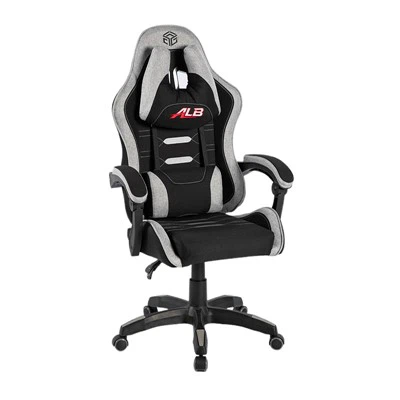
As companies around the world adjust their work models post-pandemic, the demand for office furniture-especially office chairs-is evolving in response to new hybrid work policies and changing employee expectations.
Recent Changes Driving Demand
- Hybrid framework becoming the norm but fluctuating
According to the 2025 Robert Half study, fully in-office job postings in the U.S. dropped from 83% to about 66% in 2023, while hybrid and remote roles have been increasingly common.
But more recently, companies are tweaking hybrid policies-many are requiring more in-office days or clarifying expectations. A Cisco Global Hybrid Work Study 2025 shows that nearly half (46%) of respondents say their organization's current hybrid work policy requires more in-office time than previous policies.
- Market growth & product preference
The global office furniture market is forecasted to grow from USD 61.35 billion in 2025 to nearly USD 99.6 billion by 2032, at a CAGR of ~7.17%. Among furniture types, office chairs are expected to hold a leading share, driven by demand for ergonomic and modular designs. Fortune Business Insights
- Design & space utility considerations in return-to-office trends
As offices are reshaped to accommodate hybrid schedules, companies are focusing more on shared spaces, collaborative areas, and flexibility. For example, workplace design advisors are increasingly emphasizing group-oriented layouts rather than individual isolation.
What This Means for Office Chairs
- Adaptability for mixed environments
Office chairs now need to serve dual roles: comfort for home-use, aesthetics and durability for office settings. Features like lightweight designs, modular parts, and easy-to-clean fabrics are more in demand.
- Ergonomics + wellness
The continuing concern about health-especially with longer periods spent sitting at home or moving between desk and co-working space-pushes ergonomic features (lumbar support, adjustable height, good seat depth) to be not optional but expected.
- Design sync with interior and collaboration style
Since many companies are redesigning to foster collaboration, chairs that are visually cohesive in shared meeting zones, breakout areas, or huddle spaces are more desirable. Clean aesthetics, neutral tones, or versatile color palettes help.
- Sustainability & long-term value
Buyers are increasingly evaluating furniture costs not just by price, but by durability, materials, and lifecycle environmental impact. Recyclable components, low-VOC upholstery, and brands with sustainability credentials are getting more attention.
Looking Ahead
With many companies adjusting hybrid policies to require more in-office days, office spaces will likely see more traffic, but still with flexible schedules. That means office chairs will need to offer the right balance: enough comfort for extended use, robustness for office wear-and-tear, and design that bridges home and office aesthetics.
In sum, office chairs are no longer just functional-they're a frontline expression of how workplaces are changing: hybrid, health-conscious, design-savvy, and sustainability-aware.