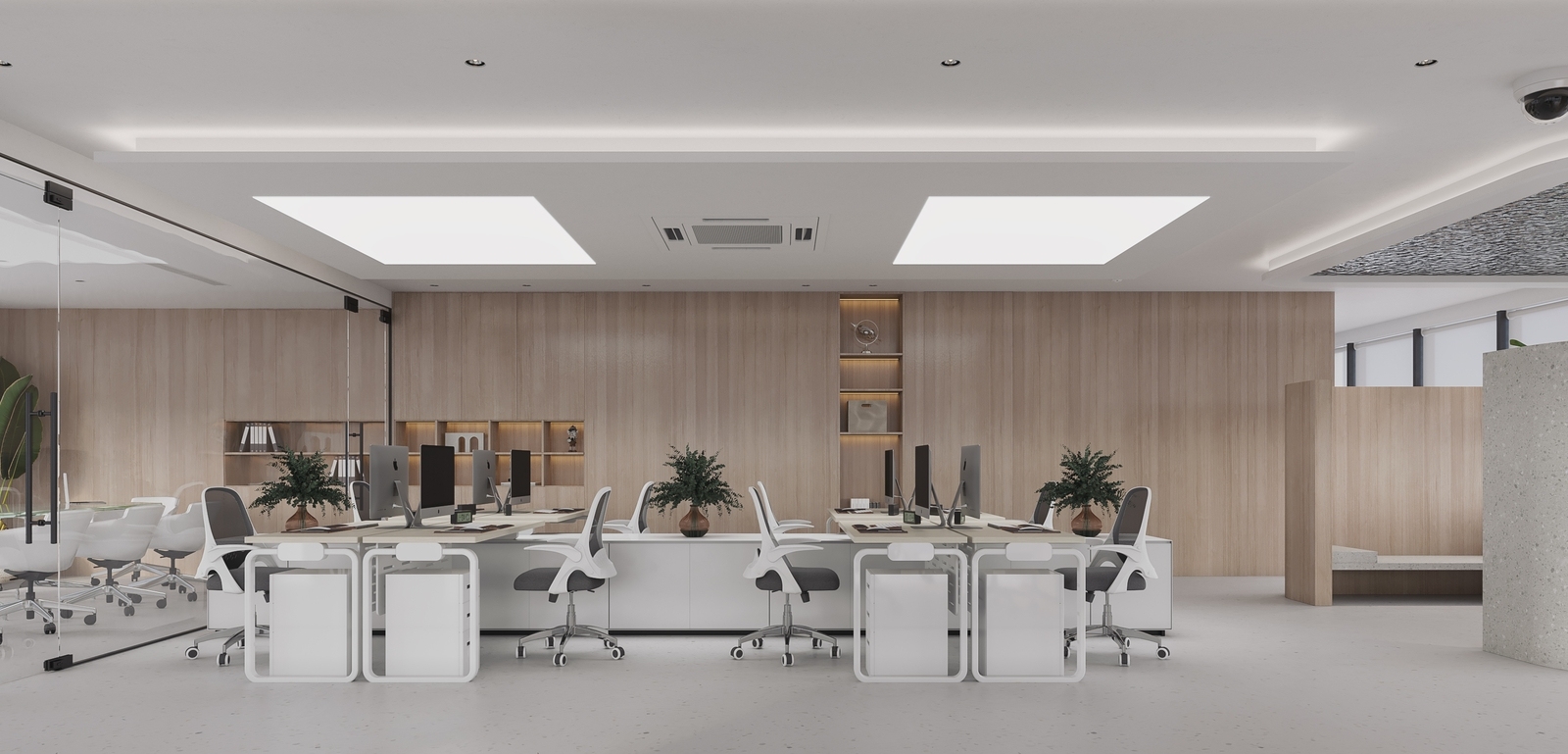

Office seating conversations often begin with a simple question: which chair is best? For importers, distributors, and B2B buyers, a more useful question is: which chair belongs in which part of the workplace?
Modern offices are not one uniform environment. There are executive and client-facing rooms, focused workstations, meeting areas, collaboration corners, reception zones, and spaces where people simply need to step away from a desk. Each setting asks the body to sit in a different way. That is why a successful office seating program is usually a mix, not one model.

Leather Chairs: A Structured Choice for Executive and Client-Facing Areas
Leather and leather-look upholstery continue to be a strong choice where appearance, structure, and easy maintenance matter. In boardrooms, executive offices, reception areas, and formal meeting rooms, leather chairs help create a finished look that supports the overall image of the space.
From a practical point of view, smooth upholstery is generally easier to wipe clean and maintain than textured fabric. This can be valuable in high-traffic client areas. A structured backrest and seat also encourage a more upright sitting position during meetings, discussions, and shorter periods of concentrated work.
Material selection still deserves attention. Contract buyers should compare surface durability, color consistency, resistance to daily wear, and the expected cleaning routine. Leather should not be treated as a single category. Final performance depends on the upholstery specification, foam, frame, and construction of the complete chair.
Mesh Chairs: Support for Long Working Hours
Mesh seating has become one of the most practical choices for open offices and long workdays. Airflow is the first benefit most buyers notice, especially in warm climates or buildings where temperatures vary throughout the day. Yet breathability alone does not explain why mesh chairs remain so widely used.
A well-built mesh chair combines a supportive backrest with seat depth, recline, armrest, and height adjustments that allow users to change posture naturally. Employees do not sit in one position for eight hours. They lean forward when concentrating, sit upright during calls, and move slightly as the day progresses. The chair should support those changes without requiring constant readjustment.
For procurement teams, mesh chairs also offer practical flexibility. They suit shared workstations, task seating, and mixed-use offices where employees have different body types and working styles. Buyers should avoid judging the chair only by the softness of the seat or the appearance of the mesh. The frame, tension, lumbar support, and mechanism have a greater influence on long-term comfort.
Lounge Chairs: Creating a Different Kind of Work Setting
Not every office task happens at a desk. Informal meetings, quick discussions, waiting periods, reading, and breaks all require a different relationship between the body and the chair. Lounge seating gives people permission to settle into a more relaxed posture without leaving the workplace.
In collaborative areas, lounge chairs can make a space feel more open and approachable. In reception and visitor areas, they create a comfortable first impression. In employee breakout zones, they offer a change of scenery that supports recovery and informal conversation.
Buyers should consider how the chair will actually be used. A lounge chair for a busy reception area needs a different balance of durability, cleaning, and accessibility than one placed in a quiet relaxation corner. Seat height, arm support, fabric choice, and the space required to get in and out all affect long-term satisfaction.

Plan by Zone, Not by Price Alone
One of the most common procurement mistakes is to compare every chair against the same budget line. A chair used for eight hours a day by the same employee has a very different value proposition from a visitor chair used for twenty minutes.
Start by mapping the workplace into seating zones. Executive and client-facing rooms may prioritize presentation, structure, and easy maintenance. Individual workstations may prioritize adjustability, airflow, and repeatable quality. Meeting rooms may need mobility or quick reconfiguration. Lounge areas may place more emphasis on comfort, visual warmth, and informal interaction.
Once those zones are clear, product selection becomes more focused. Buyers can decide where investment matters most and where a simpler specification is sufficient.
What Buyers Should Compare Beyond Appearance
Office chairs can look similar in a catalogue and behave very differently after months of use. Before placing a large order, buyers should compare several practical points.
Check comfort after 30 minutes, not 30 seconds. Test whether the adjustment controls are easy to understand and use. Review material durability, color consistency, and cleaning requirements. Check mechanism smoothness, noise, and return accuracy. Confirm that armrests and lumbar support remain stable in daily use. Also consider spare parts, replacement components, reorder consistency, packaging, loading quantity, and protection during international transport.
These details influence return rates, after-sales workload, and the customer experience long after the initial order is delivered.
Test the Chair the Way It Will Be Used
A short showroom test can confirm appearance, but it cannot reveal how a chair performs across a full workday. Where possible, test each seating type in the environment it is intended for. Sit at the correct desk height. Adjust the chair without instructions. Stay seated for at least 20 to 30 minutes. Check whether pressure points appear, whether the backrest continues to support the body, and whether the chair feels stable during movement.
For larger projects, a pilot batch is often more valuable than a longer catalogue. It allows facility teams and end users to compare the chair against real tasks before the full order is confirmed.
A Balanced Range Creates More Value
The strongest office seating program is not necessarily the one with the largest number of models. It is the one that matches the right chair to the right setting. Leather can provide structure in formal areas. Mesh can support long hours of focused work. Lounge seating can make collaboration and waiting areas feel more human.
At ALB PARTNER, our seating focus covers these different needs for B2B and project buyers. The goal is not to recommend one chair for every workplace, but to help buyers build a practical mix with consistent quality, clear specifications, and reliable supply.
An office is used every day. The right combination of leather, mesh, and lounge seating can make that daily experience more comfortable without adding unnecessary complexity.