

Across the U.S., whether people are working from home or spending long hours in an office, sitting has become a constant part of daily life. While many focus on laptops, monitors, or desk setups, the office chair is often the one piece that directly affects comfort, posture, and long-term health. A well-designed office chair doesn't just reduce back strain-it helps you stay focused, productive, and less fatigued by the end of the day.
It's not uncommon for buyers to spend well over a thousand dollars on a computer while overlooking the chair they sit on for eight or more hours every day. In reality, an office chair influences your body continuously. For anyone who works at a desk, choosing an ergonomic office chair is less about furniture and more about investing in daily well-being and sustained performance.
That mindset is reflected in the U.S. office chair market today. Options range from affordable ergonomic models to premium chairs engineered for intensive, all-day use. Different budgets and work styles now have clear solutions. This guide looks at office chairs that American users consistently rate highly, based on comfort, build quality, and overall value-not hype.
What makes an office chair earn top ratings in the U.S.?
For American buyers, a good office chair goes far beyond appearance. It has to perform over long hours, day after day.
Ergonomic design is the foundation. Adjustable lumbar support plays a critical role in protecting the lower back. Seat height and depth adjustment help keep feet flat on the floor and legs properly supported. Armrests that adjust in height, width, and depth reduce shoulder tension during typing and mouse use-something many users only appreciate after switching to a better chair.
Materials and construction matter just as much. In warmer or humid regions, breathable mesh office chairs are often preferred over traditional fabric. Metal frames and bases tend to outlast plastic alternatives. A reliable tilt mechanism and durable gas lift ensure the chair remains stable and comfortable after years of use.
Warranty and support are also key factors in the U.S. market. Many mid- to high-end office chairs offer warranties ranging from five to twelve years. Clear return policies and responsive customer service give buyers confidence, especially when purchasing online.
Long-term comfort is the final test. Seat cushion density, thickness, and backrest flexibility all influence how the chair feels after a full workday. The best office chairs don't feel impressive for the first hour and disappointing by the afternoon-they remain consistent throughout the day.
Popular office chair choices among U.S. buyers
In the mid-range category, ALB PARTNER ergonomic office chairs stand out for their balance of features and price. Typically priced between $300 and $400, they are well suited for home offices and small businesses. The high-back design supports the spine from lower back to shoulders, while the mesh back improves airflow during long work sessions. Adjustable lumbar support allows users to fine-tune lower back contact based on body shape. Adjustable armrests and tilt-lock functionality make it easy to switch between focused work and short breaks.

For users who prioritize breathability, full mesh ergonomic office chairs have gained strong popularity in the U.S. ALB PARTNER full mesh models usually fall in the $250 to $350 range and emphasize airflow and flexible support. The elastic mesh adapts slightly to movement, helping reduce heat buildup during long meetings or extended desk time. A synchronized tilt system with multiple lock positions allows users to recline at virtually any comfortable angle. The clean, modern look fits naturally into contemporary office environments.
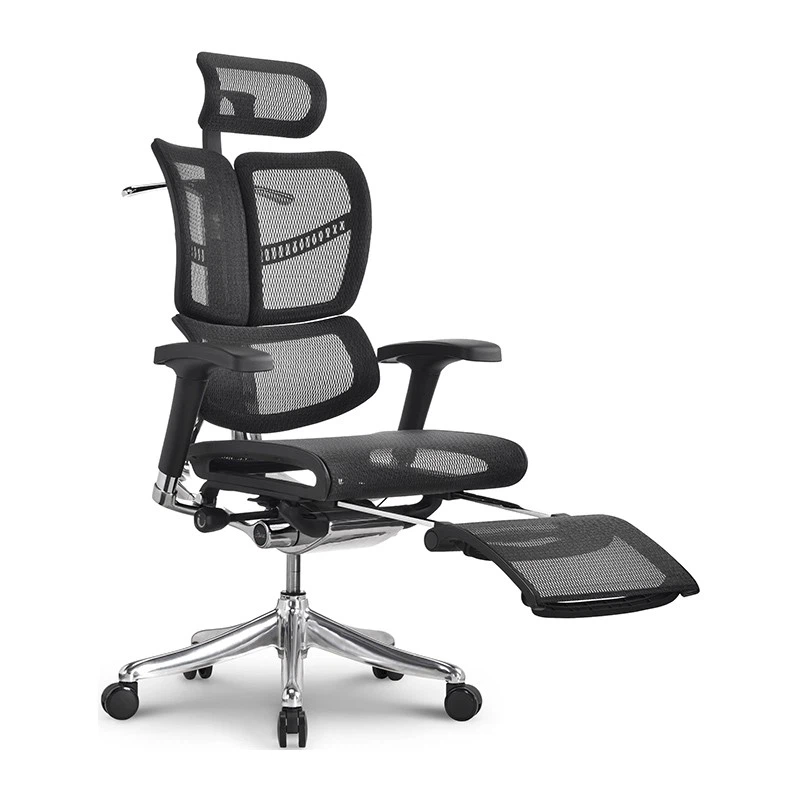
In the upper mid-range segment, the Eurotech Vera has earned a solid reputation. Its hammock-style mesh back provides natural lumbar support without requiring constant adjustments. The padded seat remains supportive over years of use, making it a reliable option for long workdays. Wide-range adjustable armrests accommodate different body types. Some shorter users note that pairing the chair with a footrest improves overall comfort.
At the premium level, the Steelcase Leap V2 remains one of the most frequently recommended office chairs in the U.S. market. Its LiveBack technology automatically adapts to changes in posture throughout the day. Four-way adjustable armrests and a smooth glide system make it suitable for intensive, all-day use. This chair is commonly found in corporate offices and professional environments where durability and ergonomic performance are non-negotiable.
The Herman Miller Aeron is often considered an icon among office chairs in the United States. Its multiple size options allow for a precise fit across a wide range of body types. The Pellicle mesh maintains airflow throughout the day, while advanced lumbar and sacral support systems promote healthy posture. Although the price is high, many buyers view it as a long-term investment due to its durability and extensive warranty.
For those who value both comfort and modern design, the Haworth Fern offers a distinct alternative. Its digital knit back provides a soft feel while still delivering structured support. The backrest moves naturally with the body, accommodating frequent posture changes. With a wide adjustment range and award-winning design, it appeals especially to creative professionals and contemporary office spaces.
In the U.S. market, there is no single "best" office chair for everyone. The right choice depends on how long you sit, how you move, and what kind of support your body needs. The best office chair is often the one you barely notice-because it supports you quietly, consistently, and comfortably throughout the entire workday.


