


Hey there! As a supplier of ergonomic chairs with headrests, I often get asked, "Do ergonomic chairs with headrests require maintenance?" Well, let's dive right into it and find out.
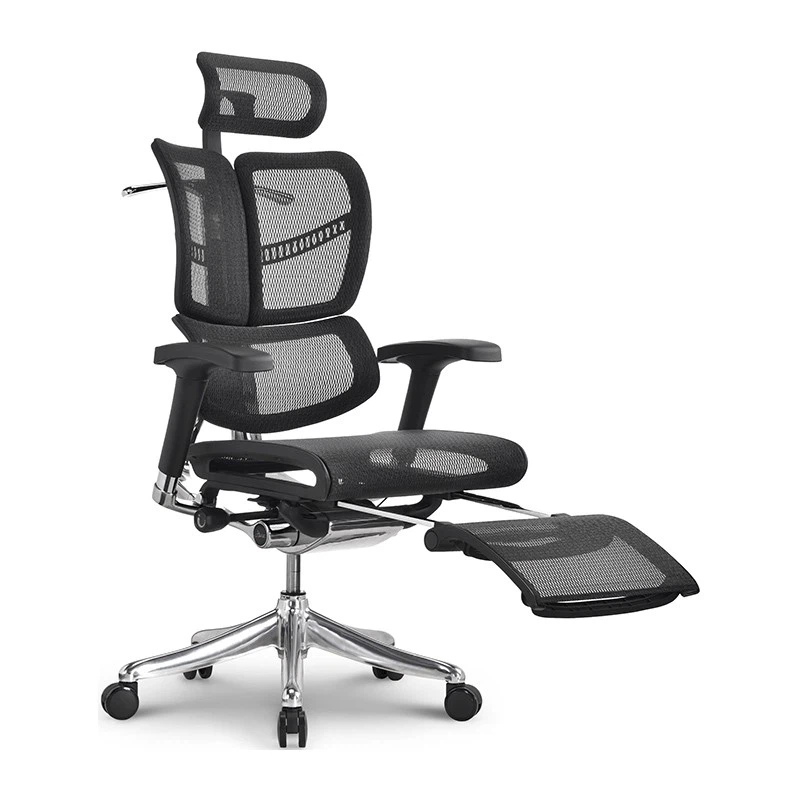
First off, let's understand what an ergonomic chair with a headrest is all about. These chairs are designed to provide maximum comfort and support, especially for those who spend long hours sitting at a desk. The headrest is a crucial part of the design, as it helps to reduce neck strain and keep your spine in a natural alignment.
Now, to answer the big question: yes, ergonomic chairs with headrests do require some maintenance. But don't worry, it's not as daunting as it might sound. In fact, with a little bit of regular care, you can keep your chair looking and functioning like new for years to come.
Cleaning the Chair
One of the most important aspects of chair maintenance is cleaning. Over time, dirt, dust, and sweat can build up on the chair's surface, which not only looks unappealing but can also affect its performance. To clean your ergonomic chair with a headrest, start by vacuuming the chair to remove any loose debris. You can use a handheld vacuum or the upholstery attachment on your regular vacuum cleaner.
Next, use a mild detergent and warm water to clean the chair's fabric or mesh. Be sure to follow the manufacturer's instructions for cleaning, as some materials may require special care. For example, 3D Adjustable Ergonomic Mesh Chair has a mesh fabric that may need a gentle cleaning solution to avoid damaging the mesh.
After cleaning, rinse the chair thoroughly with clean water and allow it to air dry completely. Avoid using harsh chemicals or abrasive cleaners, as these can damage the chair's finish and reduce its lifespan.
Lubricating Moving Parts
Another important aspect of chair maintenance is lubricating the moving parts. Ergonomic chairs with headrests often have adjustable features, such as reclining mechanisms, height adjustments, and headrest tilt. These moving parts can become stiff or noisy over time, especially if they are not properly lubricated.
To lubricate the moving parts, use a silicone-based lubricant or a dry lubricant spray. Apply the lubricant to the joints and pivot points of the chair, and then operate the adjustable features to distribute the lubricant evenly. This will help to keep the chair moving smoothly and quietly.

Checking for Loose Screws and Bolts
Regularly checking for loose screws and bolts is also an important part of chair maintenance. Over time, the vibrations and movements of the chair can cause the screws and bolts to loosen, which can affect the chair's stability and safety.
To check for loose screws and bolts, use a screwdriver or a wrench to tighten any that are loose. Be careful not to over-tighten the screws, as this can damage the chair's frame or other components. If you notice any missing or damaged screws or bolts, replace them as soon as possible to ensure the chair's stability.
Inspecting the Headrest
The headrest is a critical part of an ergonomic chair, as it provides support for your neck and head. Over time, the headrest may become loose or damaged, which can affect its performance.
To inspect the headrest, check the connection between the headrest and the chair's backrest. Make sure the headrest is securely attached and that it can be adjusted easily. If the headrest is loose or wobbly, tighten the screws or bolts that hold it in place.
Also, check the padding and cover of the headrest for any signs of wear or damage. If the padding is flattened or the cover is torn, consider replacing the headrest to ensure maximum comfort and support.
Storing the Chair Properly
If you need to store your ergonomic chair with a headrest for an extended period, it's important to do so properly. First, clean the chair thoroughly and allow it to dry completely. Then, fold the chair if it is a folding model, and store it in a cool, dry place.
Avoid storing the chair in direct sunlight or in a humid environment, as this can damage the chair's fabric, finish, and other components. If possible, cover the chair with a dust cover to protect it from dust and dirt.
Benefits of Regular Maintenance
Regular maintenance of your ergonomic chair with a headrest offers several benefits. First, it helps to extend the lifespan of the chair, which means you won't have to replace it as often. This can save you money in the long run.
Second, regular maintenance ensures that the chair continues to provide maximum comfort and support. A well-maintained chair will function properly, with all its adjustable features working smoothly, which can help to reduce the risk of neck, back, and other musculoskeletal problems.
Third, a clean and well-maintained chair looks better and creates a more professional and inviting workspace. Whether you use the chair in an office, a home office, or a gaming setup, a clean and functional chair can enhance the overall aesthetic of the space.
Conclusion
In conclusion, ergonomic chairs with headrests do require maintenance, but it's a small price to pay for the comfort, support, and longevity they offer. By following the simple maintenance tips outlined above, you can keep your chair in top condition for years to come.
If you're in the market for a new ergonomic chair with a headrest, we offer a wide range of high-quality options, including the 3D Adjustable Ergonomic Mesh Chair, Adjustable Backrest Spine Correction Ergonomic Chair, and Office Ergonomic Chair with Footrest.
If you have any questions about our products or need advice on chair maintenance, feel free to reach out to us. We're here to help you find the perfect chair for your needs and ensure that it stays in great condition for as long as possible. Let's start a conversation about your chair requirements and see how we can assist you!
References
- Ergonomics Society. (2023). Guidelines for Office Ergonomics.
- Furniture Manufacturers Association. (2023). Best Practices for Chair Maintenance.


